Now Playing
2,403 Dead: The Human Cost of Battleship Row
Audio is available on Spreaker — see link below.
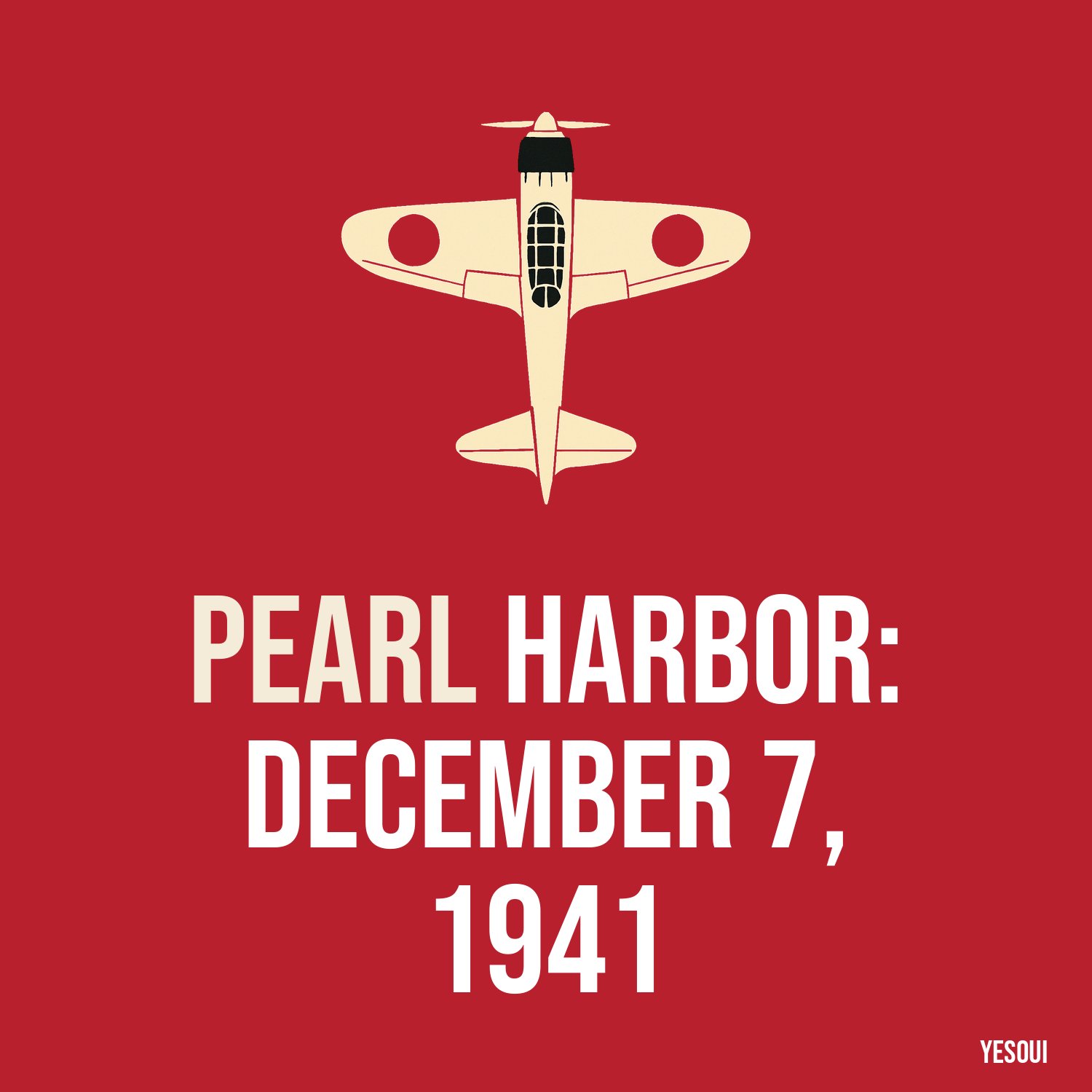
On December 7, 1941, 353 Japanese aircraft dismantled Battleship Row in two hours and ended American isolationism forever. This chapter follows Yamamoto's gamble, the Kido Butai's silent crossing, and the men who never came home from that Sunday morning.
Audio is available on Spreaker — see link below.
Some dates don't just mark events. They mark before and after.
The key point here is that nothing about December seventh was sudden, even if the attack felt that way. Japan's imperial ambitions had been building for four decades.
Admiral Isoroku Yamamoto was the man who answered that question. His plan was audacious, almost reckless.
Six carriers crossing the North Pacific without being detected. That's the premise of this episode's title, and it's worth sitting with for a moment.
At seven forty-eight in the morning, Hawaii time, the first wave hit. One hundred eighty-three aircraft.
Three ships define what Pearl Harbor meant in human terms. The USS Arizona.
Here's where the account gets painful in a different way. The attack didn't come without warning.
Franklin Roosevelt was in the Oval Study when he got the news. He spent the afternoon and evening drafting what would become one of the most consequential speeches in American political history.
Yamamoto had warned his own government that he could run wild in the Pacific for six months, maybe a year, but that he could not guarantee success if the war went longer. He was right about the window.
The attack also produced a consequence that had nothing to do with Japan and everything to do with what fear does to a nation. In the weeks after Pearl Harbor, anxiety about potential sabotage and espionage on the West Coast rose rapidly.
The wreck of the USS Arizona is still there. It sits in forty feet of water, still leaking small amounts of oil more than eighty years later.
Chapter summary auto-generated from the verified script. Listen to the full episode for the complete content.