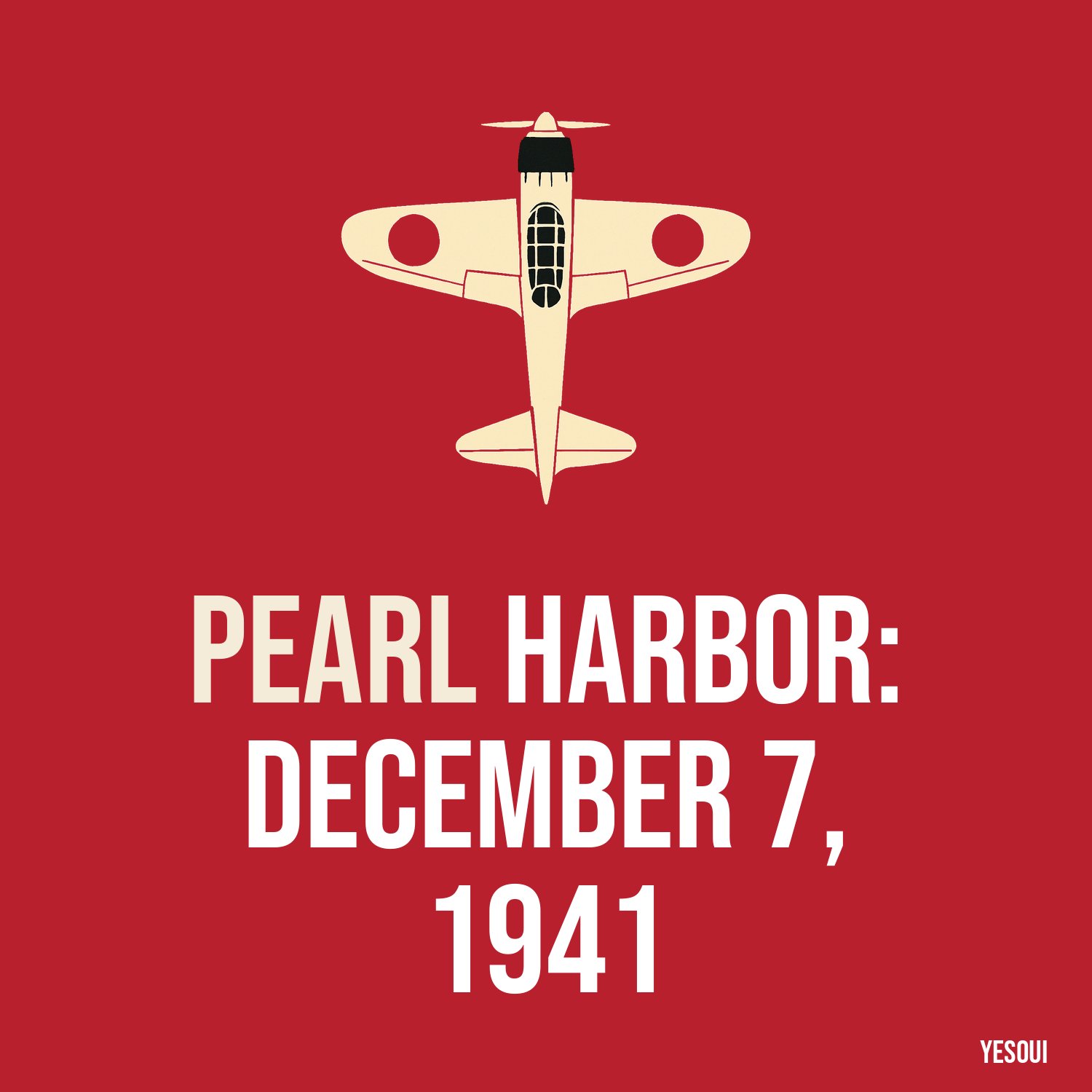
Pearl Harbor: December 7, 1941 takes you inside one of the most pivotal and devastating moments in American history — the surprise Japanese attack that plunged the United States into World War II. From the carriers of Kido Butai cutting silently through the North Pacific to the chaos erupting across Battleship Row, this podcast reconstructs the attack with meticulous historical detail, gripping narrative storytelling, and fresh analysis drawn from firsthand accounts, declassified documents, and the latest scholarship. Each episode peels back a different layer of December 7th — the strategic miscalculations, the heroism under fire, the intelligence failures, the diplomatic maneuvering, and the lives forever changed in 110 minutes of aerial assault. Whether you're a World War II enthusiast, a student of military history, or simply someone who wants to understand how a single morning reshaped the twentieth century, this show delivers the depth and drama the subject demands. Pearl Harbor: December 7, 1941 goes beyond the headlines you learned in school to explore the human stories, command decisions, and geopolitical forces that made the 'Day of Infamy' inevitable — and what it means for America's place in the world today. Subscribe and experience history the way it actually happened.
At 7:48 AM on December 7, 1941, 353 Japanese aircraft descended on Pearl Harbor and sank the sleeping giant's illusions along with its fleet. This chapter traces Yamamoto's gamble, the warnings that failed, and the catastrophic minutes that killed 2,403 Americans and ended isolationism overnight.
On December 7, 1941, 353 aircraft hit Pearl Harbor in two devastating waves — but the attack's deepest damage unfolded in the months that followed. This chapter traces Yamamoto's plan, the Kido Butai's silent crossing, and the transformation that turned America's grief into war, internment, and the end of isolation.
On December 7, 1941, 353 Japanese aircraft descended on Pearl Harbor in 110 minutes of coordinated destruction that killed 2,403 Americans and ended U.S. isolationism forever. This chapter follows the attack from Yamamoto's carriers to the burning wreck of the USS Arizona.
At 7:48 AM on December 7, 1941, 353 Japanese aircraft arrived over Pearl Harbor — and a radar warning that could have changed everything was ignored. This episode reconstructs the attack minute by minute, from Yamamoto's plan to the sinking of the Arizona.
On December 7, 1941, 353 Japanese aircraft struck Pearl Harbor in two waves, killing 2,403 Americans and ending isolationism overnight. This episode traces the four decades of imperial collision that made the attack inevitable — and the hours that changed everything.
At 7:48 AM on December 7, 1941, 353 Japanese aircraft descended on Pearl Harbor in two devastating waves — and nothing about America, or the world, would ever be the same. This episode follows the warnings that failed, the ships that burned, and the 2,403 Americans who never came home.
On December 7, 1941, Japan's most powerful carrier strike force unleashed 353 aircraft on Pearl Harbor in history's most consequential surprise attack — and still lost the war. This chapter follows the Kido Butai across the North Pacific, into Battleship Row, and into the catastrophic miscalculation behind a tactically flawless operation.
On December 7, 1941, 353 Japanese aircraft tore open Battleship Row and killed 2,403 Americans — ending isolationism in a single morning. This episode traces Yamamoto's plan, the Kido Butai's silent crossing, and the political earthquake that followed.
Admiral Yamamoto's Pearl Harbor plan was tactically brilliant and strategically catastrophic — six carriers crossed the Pacific in silence, 353 aircraft killed 2,403 Americans, and changed history in under two hours. This chapter follows the long road to December 7, 1941: Japan's imperial expansion, the oil embargo countdown, and the fatal miscalculation that Japan could force America to negotiate.
On December 7, 1941, 353 Japanese aircraft dismantled Battleship Row in two hours and ended American isolationism forever. This chapter follows Yamamoto's gamble, the Kido Butai's silent crossing, and the men who never came home from that Sunday morning.
At 7:48 AM on December 7, 1941, 353 Japanese aircraft struck Pearl Harbor — sinking battleships, entombing sailors, and ending American isolationism in under two hours. This episode follows Yamamoto's plan, the Kido Butai's silent crossing, and the devastating assault on Battleship Row that killed 2,403 Americans.
On December 7, 1941, Japan's Kido Butai launched 353 aircraft against Pearl Harbor in a strike designed to shatter American will — and instead forged it. This chapter traces Yamamoto's plan, the intelligence failures, and the moment isolation died at Battleship Row.
On December 7, 1941, 353 Japanese aircraft hit Pearl Harbor in two devastating waves — and the America that emerged from the smoke was unrecognisable from the one that woke that morning. This chapter traces the imperial logic, Yamamoto's audacious gamble, and the cascade of missed warnings that led to the deadliest morning in American naval history.
On December 7, 1941, six Japanese carriers launched 353 aircraft against Pearl Harbor — killing 2,403 Americans and ending two decades of isolationism in a single morning. This is the full story: Yamamoto's gamble, the Kido Butai's silent Pacific crossing, Battleship Row, and the rupture that pulled America into World War II.