Now Playing
Roosevelt's Day of Infamy: How Pearl Harbor Ended American Isolationism
Audio is available on Spreaker — see link below.
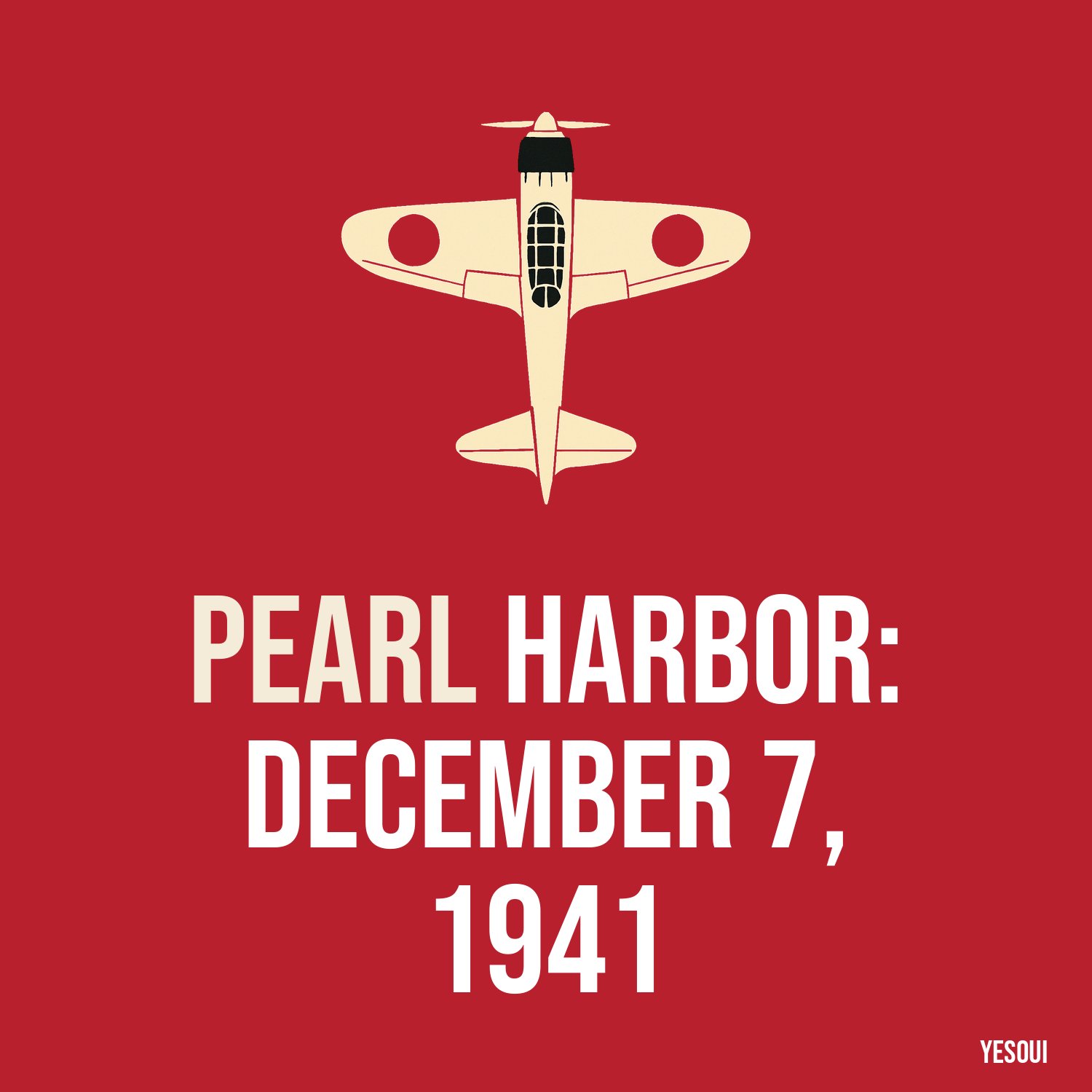
On December 7, 1941, 353 Japanese aircraft tore open Battleship Row and killed 2,403 Americans — ending isolationism in a single morning. This episode traces Yamamoto's plan, the Kido Butai's silent crossing, and the political earthquake that followed.
Audio is available on Spreaker — see link below.
On the morning of December seventh, nineteen forty-one, Pearl Harbor was quiet. Sailors were sleeping in.
To understand what happened that morning, you need to understand the decades that led to it. Japan had been expanding aggressively since the eighteen nineties.
Admiral Isoroku Yamamoto was the architect of the attack plan. He'd studied at Harvard.
The United States wasn't entirely blind. American cryptanalysts had broken Japan's diplomatic code, and in the days before the attack, intercepted messages strongly suggested that something significant was coming.
The first wave hit at seven forty-eight in the morning, Hawaii time. Three hundred and fifty-three Japanese aircraft.
The USS Oklahoma took five torpedo hits in rapid succession. The impacts flooded compartments faster than they could be countered.
The second wave arrived at eight fifty-four in the morning. By then, the harbor was already burning and American anti-aircraft fire had intensified.
Franklin Roosevelt appeared before a joint session of Congress the morning of December eighth. The speech he delivered was brief.
For years before December seventh, American political opinion had been deeply divided on intervention in Europe and Asia. The isolationist movement was powerful and well-organized.
The consequences of Pearl Harbor weren't limited to the Pacific theater. In February of nineteen forty-two, President Roosevelt signed Executive Order nine zero six six.
Pearl Harbor is remembered as the event that pulled America into the Second World War. That's accurate.
December seventh, nineteen forty-one is one of those moments where you can draw a clear line. Before it, and after it.
Chapter summary auto-generated from the verified script. Listen to the full episode for the complete content.