Now Playing
Infamy: The Attack That Collapsed American Isolationism
Audio is available on Spreaker — see link below.
On December 7, 1941, 353 Japanese aircraft hit Pearl Harbor in two devastating waves — and the America that emerged from the smoke was unrecognisable from the one that woke that morning. This chapter traces the imperial logic, Yamamoto's audacious gamble, and the cascade of missed warnings that led to the deadliest morning in American naval history.
Audio is available on Spreaker — see link below.
Most people think of Pearl Harbor as the beginning. The moment America woke up, stepped forward, and entered the war.
To understand December seventh, you have to go back to the eighteen nineties. Japan had watched Western empires carve up the world, and it drew a lesson.
Admiral Isoroku Yamamoto understood the United States better than most of his peers. He'd studied at Harvard.
Here's the harder part of this story. The United States had been watching Japan's diplomatic signals closely.
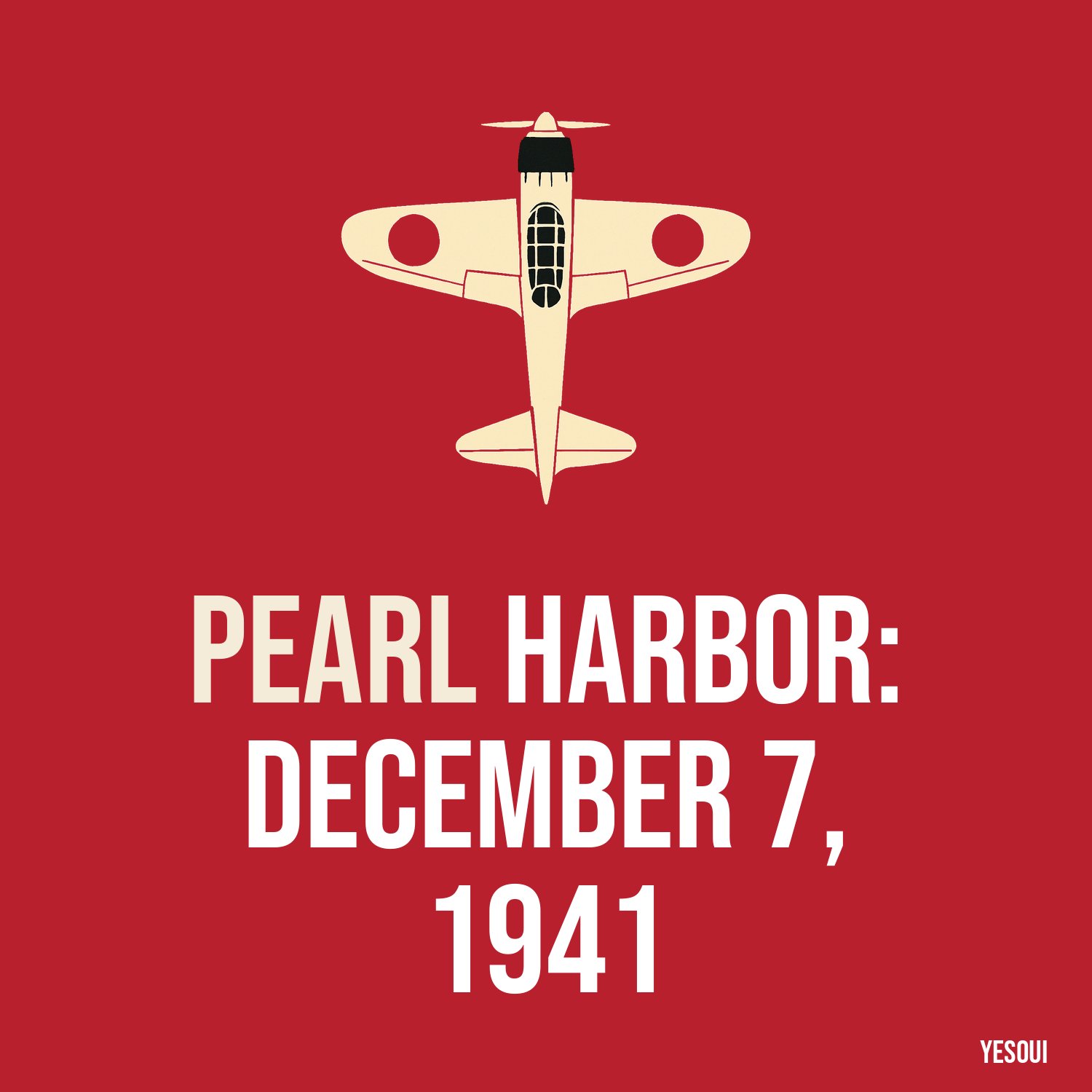
At seven forty-eight in the morning, Hawaii time, December seventh, nineteen forty-one, the first Japanese aircraft reached Pearl Harbor. Three hundred and fifty-three planes came in two waves.
President Franklin Roosevelt learned of the attack on the afternoon of December seventh. He spent that evening with aides, drafting his response.
The attack produced unity, but it also produced something uglier. Fear traveled fast in the weeks and months that followed.
Yamamoto had planned for tactical success. He achieved it.
Pearl Harbor marked the end of American isolationism not just as a policy but as a serious position in public life. The debate that had defined American foreign policy for two decades collapsed in a morning.
Chapter summary auto-generated from the verified script. Listen to the full episode for the complete content.