Now Playing
The Fortress That Wasn't: How Japan's Knockout Blow Backfired
Audio is available on Spreaker — see link below.
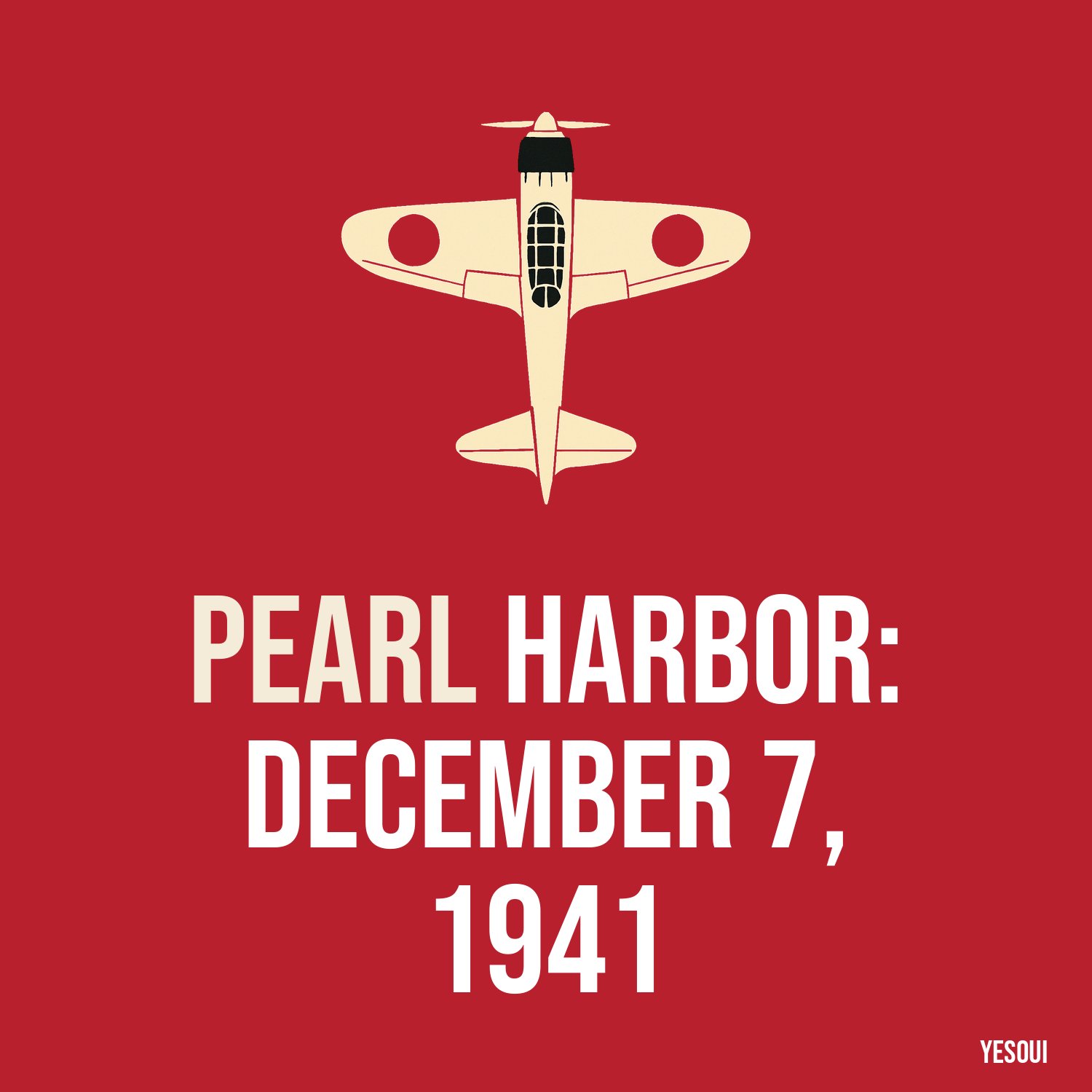
On December 7, 1941, Japan's Kido Butai launched 353 aircraft against Pearl Harbor in a strike designed to shatter American will — and instead forged it. This chapter traces Yamamoto's plan, the intelligence failures, and the moment isolation died at Battleship Row.
Audio is available on Spreaker — see link below.
What if the attack that was supposed to break America's will did exactly the opposite? That's not a minor strategic miscalculation.
The isolationist movement in America before Pearl Harbor wasn't fringe. It was mainstream.
Japan's path toward Pearl Harbor didn't begin in nineteen forty-one. It began decades earlier.
Yamamoto's idea was to strike the Pacific Fleet so decisively that America would lose the will to fight back. One knockout blow at the starting bell.
The American intelligence failure before Pearl Harbor is one of the most studied disasters in military history. The broad contours are well established.
At seven forty-eight in the morning, Hawaii time, the first wave of Japanese aircraft arrived over Pearl Harbor. Three hundred and fifty-three planes in total, across two waves.
President Roosevelt learned of the attack on the afternoon of December seventh. By that evening, his administration was already preparing the response.
The unity that followed Pearl Harbor was real. But it had a shadow.
Japan's strategic miscalculation at Pearl Harbor has been analyzed exhaustively. The broad verdict is clear.
The America that entered the war in December nineteen forty-one was not the same country that would emerge from it in nineteen forty-five. Pearl Harbor was the moment the transformation began.
Chapter summary auto-generated from the verified script. Listen to the full episode for the complete content.